Från lek till lärande – Engelskan är en ...
Vittra arbetar för att ge nästa generation mod och kunskap att bygga ett bättre ...


Kontakt
Telefon: 08-556 949 53
E-post: lumapark@vittra.se
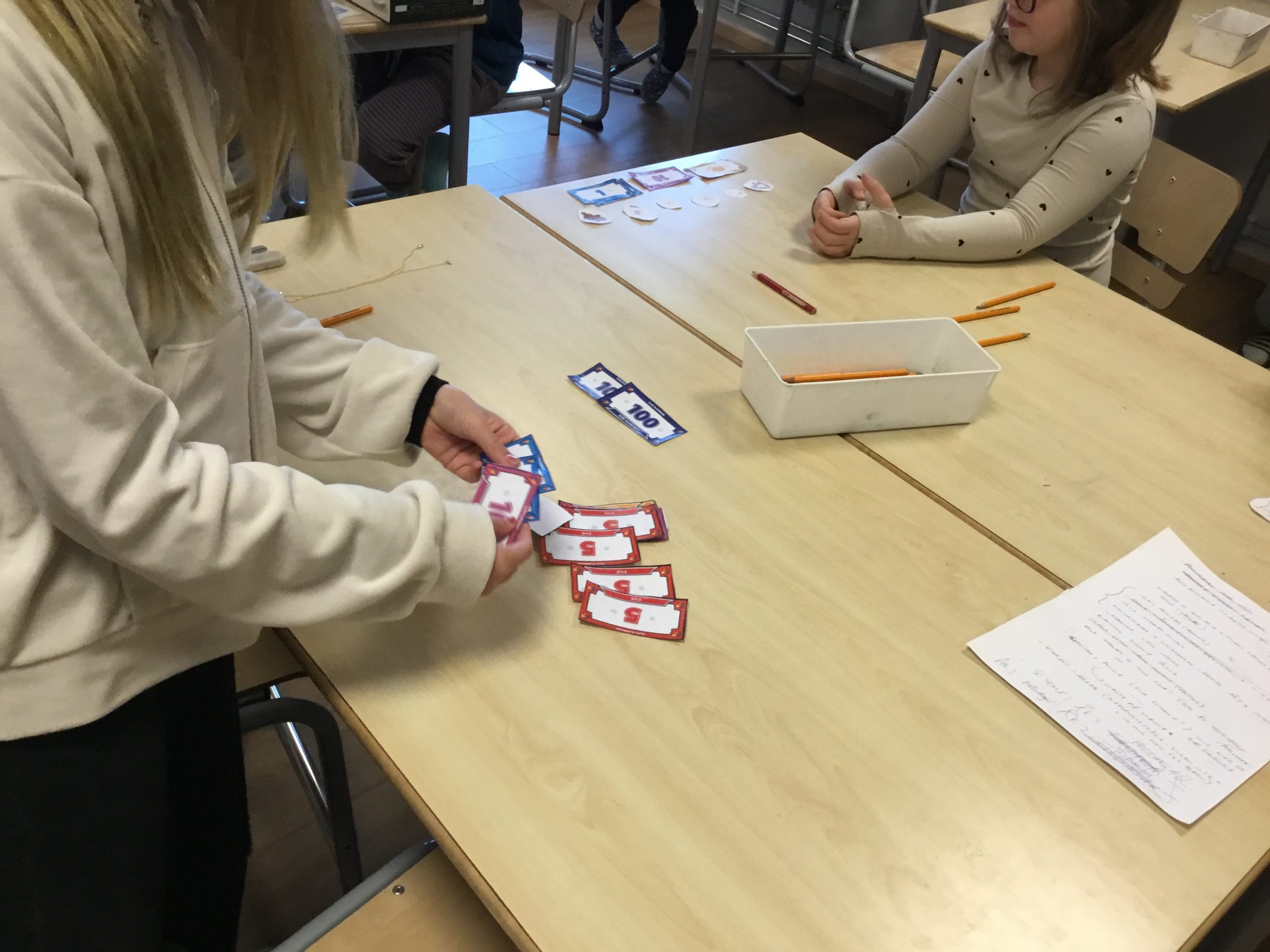
Vittra’s mission is to empower the next generation with courage and knowledge to build a better society. In line with this vision, we introduce English at Vittra Luma Park starting in preschool, with additional English instruction in the following grades. We met with teacher Manfred Meyer, who is responsible for English instruction, to learn more.
Your school has an English language profile. What does that entail?
At Vittra Luma Park, English is a natural part of everyday life. Students are exposed to English not only in the classroom but also in the cafeteria and during after-school activities. This linguistic integration helps them gain confidence and comfort in using English across various settings. In the classroom, students are encouraged to ask questions and respond in English, while still having the option to use their mother tongue if something needs further explanation.
Vittra values open and inclusive communication with families, so we send weekly letters to parents in both Swedish and English. Parent-teacher meetings and development discussions are also held in both languages. By incorporating English into daily routines in this way, we build a strong foundation for our students’ future learning and development.
How do you make English fun and engaging for students starting in preschool?
In our classrooms, English comes alive through interactive, play-based activities. We use games, short films, songs, and visual aids to create an engaging and memorable learning environment. By focusing on activities that spark curiosity, such as word-picture associations and exploring new vocabulary, we build a positive approach to the language. This approach encourages our students to express themselves in English from an early age.
How does students’ language learning progress from preschool to third grade?
Our English teachers follow students from preschool through third grade, offering tailored language support along the way. For our youngest learners, the focus is on oral activities, drawing, and role-playing. Gradually, we introduce reading comprehension and writing, beginning in second grade, and by third grade, students are working on reading fluency. This gradual progression allows students to build confidence and language skills at a pace that aligns with their development.
What are the benefits of starting English early in a child’s schooling?
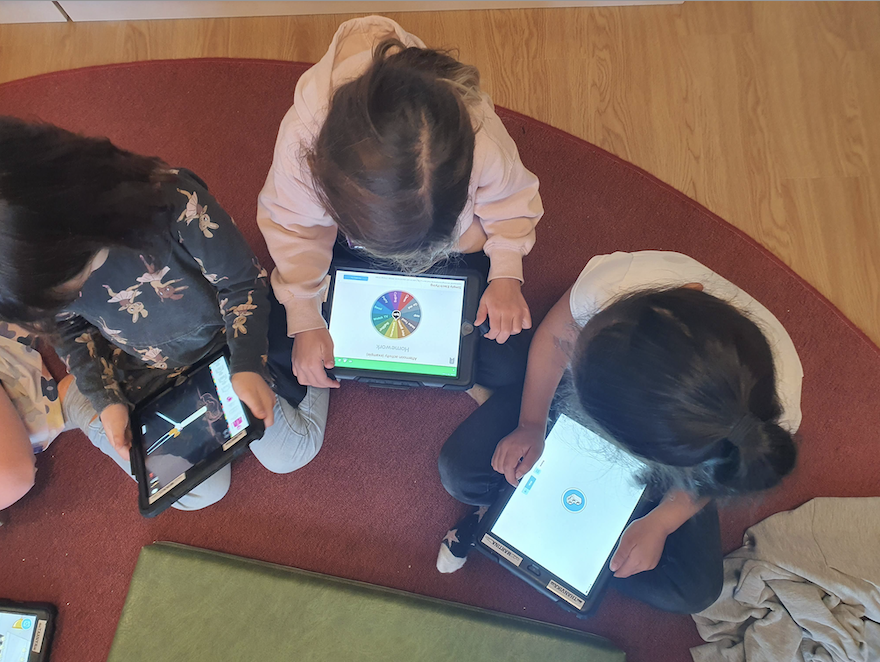
Starting English early prepares our students for a globalized world. Vittra aims to create an environment where language learning and social engagement go hand in hand, making English a bridge to new knowledge and perspectives. By aligning activities with students’ interests and using modern digital tools, we foster a positive outlook on the language. This approach boosts students’ confidence and encourages them to use English naturally, with both their classmates and native speakers.
How do you include English in students’ daily lives outside the classroom?
English is also naturally woven into after-school activities. During fritids, students participate in activities conducted in both Swedish and English, such as storytime in English. Our English-speaking staff use the language outdoors and indoors, and we also have an editorial day for first through third graders where students can create stories in English or explore programming. In this way, we develop not only language understanding but also digital skills and creativity.
At Vittra, we see language as a way to foster curiosity, independence, and a willingness to explore the world. Our English language profile is therefore not just about teaching a language, but about inspiring our students to engage confidently with the world around them.
Vittra arbetar för att ge nästa generation mod och kunskap att bygga ett bättre ...
Det finns inga resultat som matchar din filtrering.